Beyond the Classroom: The Future of Learning
Education is changing. For generations, learning has been closely associated with a physical classroom, a teacher at the front, students at their desks, and lessons delivered within fixed school hours. Today, however, learning is expanding beyond these traditional boundaries.
Technology, innovation, and changing learner needs are creating new possibilities for education. The future of learning is not limited to a particular place or time. It is about creating meaningful opportunities for students to learn anytime, anywhere, and in ways that prepare them for a rapidly changing world.
Learning Without Limits
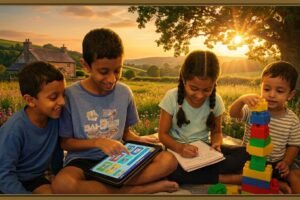
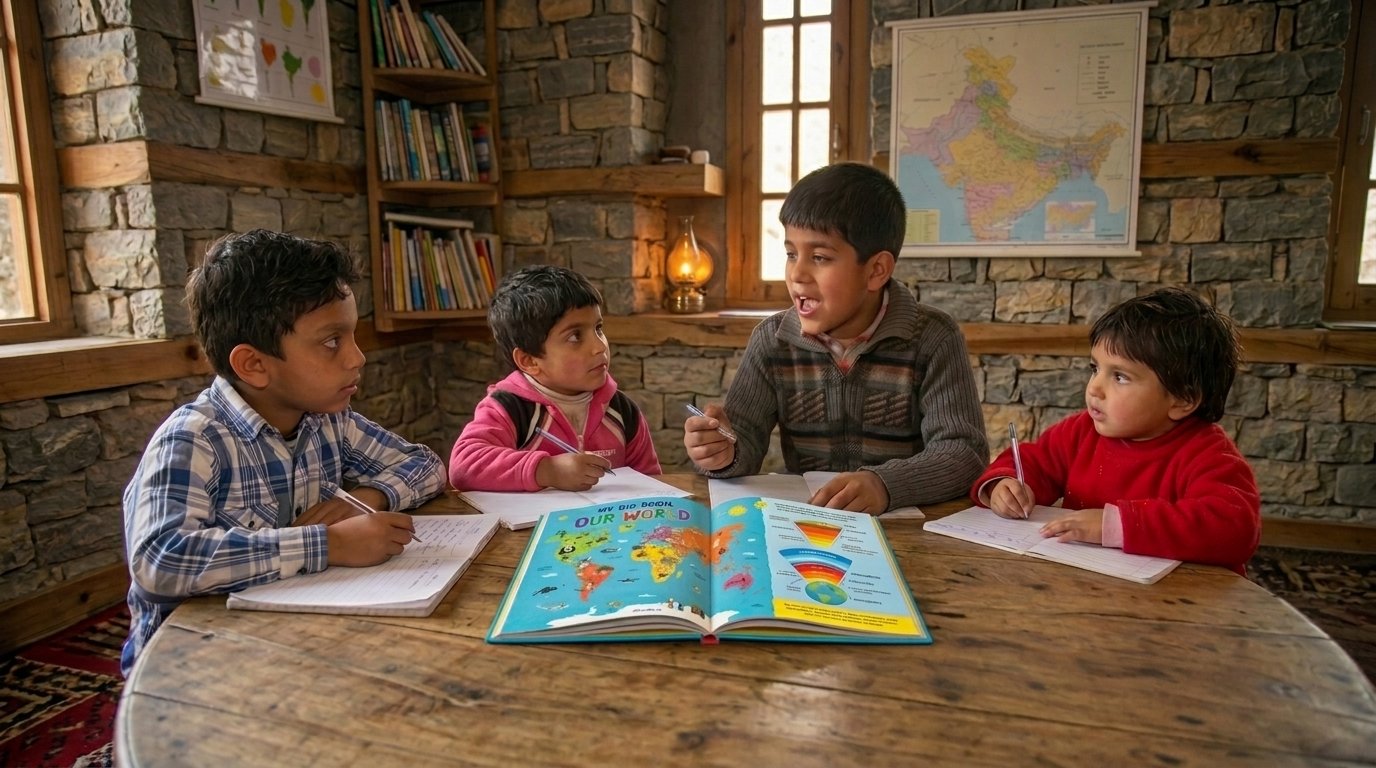
A classroom will always remain an important space for learning, but it is no longer the only place where learning happens. Students can now explore ideas through online lessons, interactive activities, videos, digital libraries, virtual discussions, and real life projects.
Learning can happen at home, during a journey, in the community, or through everyday experiences. The future of education recognises that the world itself can become a learning space.
From Passive Listening to Active Learning
The future of learning is not simply about giving students more information. It is about helping them actively engage with knowledge.
Instead of only listening and memorising, students are encouraged to:
- Ask questions and explore ideas.
- Solve real life problems.
- Participate in discussions.
- Create and share their own work.
- Collaborate with others.
- Learn from mistakes and feedback.
This approach helps students develop a deeper understanding and become active participants in their own learning journey.
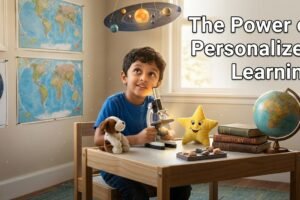
Personalised Learning for Every Student
Every learner is unique. Students have different interests, strengths, abilities, and learning needs. The future of education must recognise these differences.
Digital learning environments can provide greater flexibility, allowing students to review lessons, access different learning resources, practise skills, and receive timely feedback.
The aim is to move towards a learning experience where students are supported according to their individual needs while continuing to work towards clear educational goals.
Technology as a Tool for Better Learning
Technology is transforming the way students access and experience education. Interactive platforms, multimedia content, virtual classrooms, digital assessments, and emerging technologies can make learning more engaging and accessible.
However, technology alone cannot guarantee meaningful learning. Its true value lies in how it is used.
The future of education requires technology to be used purposefully to encourage curiosity, improve understanding, support teachers, and create opportunities that might not otherwise be possible.
Developing Skills for the Future
The future will require more than academic knowledge. Students will need a range of skills to adapt to new challenges and opportunities.
These include:
Critical Thinking; analysing information and making thoughtful decisions.
Creativity; generating new ideas and exploring different possibilities.
Communication; expressing ideas clearly and listening to others.
Collaboration; working effectively with different people.
Problem Solving; finding practical and innovative solutions.
Digital Literacy; using technology safely, responsibly, and effectively.
Adaptability; being ready to learn, change, and grow.
These skills will help students navigate a world that continues to evolve.
The Changing Role of the Teacher
As learning moves beyond the traditional classroom, the role of the teacher becomes even more important.
Teachers are not only providers of information. They are mentors, facilitators, guides, and motivators. They help students make sense of information, ask meaningful questions, develop confidence, and discover their potential.
Technology can support teaching, but the encouragement, understanding, and guidance of a teacher remain at the heart of a successful learning experience.
Learning as a Lifelong Journey
The future of learning also changes the way we think about education itself. Learning does not end when a student completes a grade, passes an examination, or receives a qualification.
In a changing world, people will need to continue learning new skills and adapting throughout their lives. Therefore, one of the most important goals of education is to help students learn how to learn.
A curious, confident, and independent learner will be better prepared for whatever the future brings.
The Future Starts Today
At our Online School System, we believe that education should prepare learners for more than the next lesson or examination. It should prepare them for life.
By combining strong academic learning with technology, creativity, collaboration, critical thinking, and personal growth, we can create learning experiences that go far beyond the walls of a traditional classroom.
The future of learning is flexible. It is connected. It is personalised. It is lifelong.
And most importantly, it is centred around the learner.
Beyond the classroom lies a world of possibilities. The future of learning is about giving every learner the opportunity to explore it.

You may also like
Teaching the Digital Generation: Skills for the 21st Century
The Power of Personalized Learning