Child Safeguarding: 7 Powerful Ways Online Learning Can Create Safer Education
Child Safeguarding: Every Child Deserves to Learn Safely
Child Safeguarding is more than a policy; it is a commitment to protecting children from harm while ensuring they have the freedom and confidence to learn, grow and thrive.
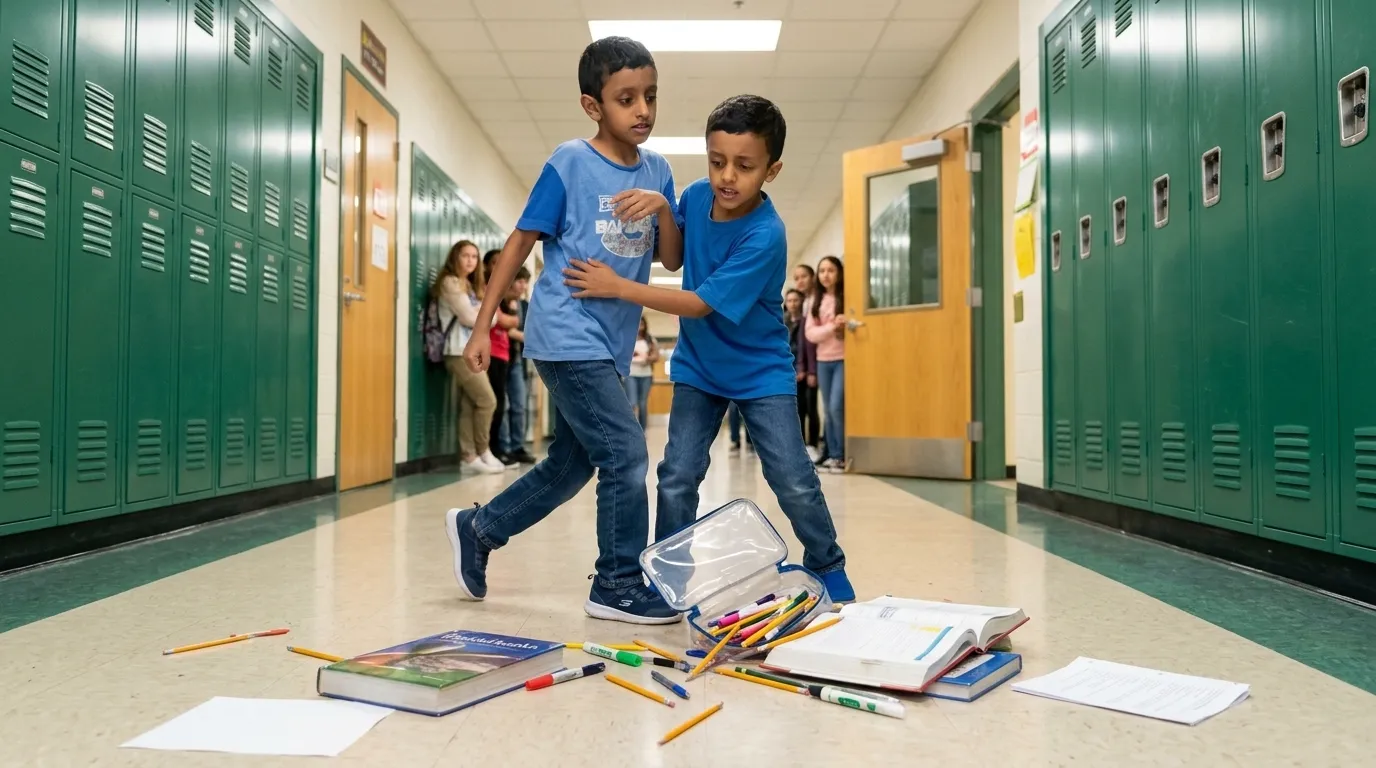
For many children, the journey to school, the physical learning environment, interactions with peers, and even experiences within the community can present different challenges. Bullying, unsafe surroundings, inappropriate behaviour, harassment, neglect and other risks can affect a child‘s sense of security and ability to learn.
This raises an important question:
Can we create learning opportunities that put children’s safety at the centre?
One promising approach is safe and well-structured online learning.
Why Child Safeguarding Matters
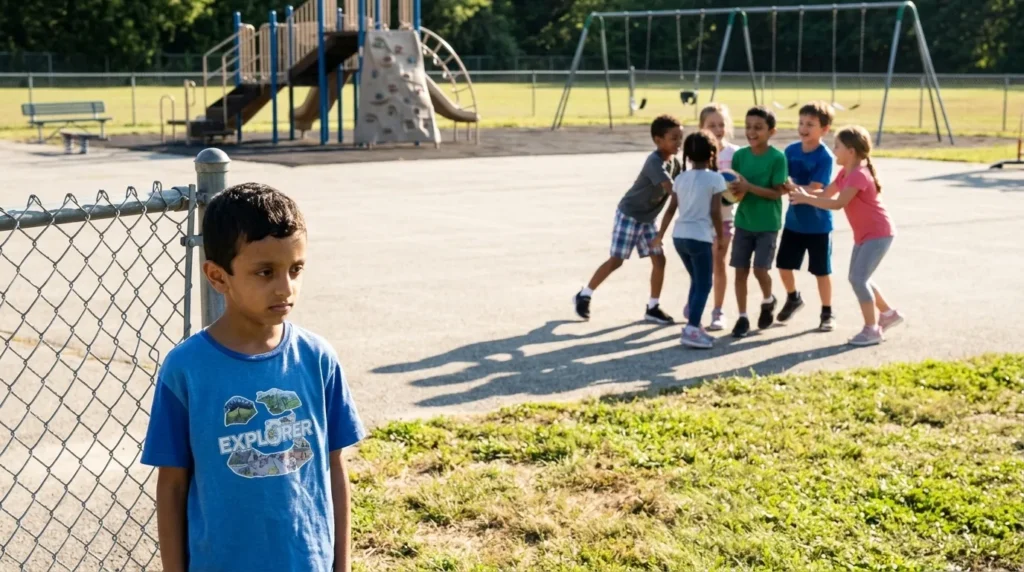
Children learn best when they feel safe, respected and supported. When a child feels threatened, uncomfortable or unheard, learning can become difficult.
A strong safeguarding culture helps schools:
- Prevent potential risks before they cause harm
- Recognise signs that a child may need support
- Give children safe ways to speak up
- Establish clear boundaries for adults and children
- Respond appropriately when concerns arise
- Promote children’s wellbeing alongside academic development
Safeguarding should therefore be part of every learning environment not an activity that happens only when something goes wrong.
How Online Learning Can Support Safer Education
Online learning can provide children with access to structured education from a familiar and supervised environment, particularly when attending a physical school is difficult or presents additional challenges.
For some learners, studying from home can reduce exposure to risks associated with daily travel, unsafe surroundings, overcrowded facilities or certain forms of peer interaction.
However, Child Safeguarding does not stop when learning moves online. Digital education must be designed with safety, privacy and wellbeing in mind.
The goal is not simply to replace a classroom with a screen. The goal is to create a safe digital learning experience.
7 Ways to Make Online Learning Safer for Children
- Create a Structured Learning Environment
Children benefit from predictable routines. A well-organised online programme provides lessons in a clear sequence, helping students know what to learn, when to learn and where to seek support.
- Keep Communication Safe and Professional
Teacher-student communication should follow clear professional boundaries. Approved communication channels, appropriate supervision and defined codes of conduct can help create a safer digital environment.
- Involve Parents and Caregivers
Parents play an important role in supporting children’s online learning. Visibility of learning activities, appropriate supervision and open communication can help families identify concerns early.
- Teach Children Digital Safety
Children need to understand how to protect themselves online. Age-appropriate lessons can teach them about privacy, passwords, cyberbullying, inappropriate content, suspicious communication and responsible digital behaviour.
- Provide Simple Reporting Channels
Children should know who they can talk to when something does not feel right. Clear, child friendly reporting mechanisms can encourage children to speak up without fear or embarrassment.
- Protect Children’s Data and Privacy
Online learning platforms should use appropriate security and privacy measures to protect children’s personal information, learning records and digital interactions.
- Train Teachers to Recognise Concerns
Teachers remain an essential part of safeguarding, even in online education. They should understand safeguarding procedures and know how to identify changes in behaviour, participation or communication that may indicate a child needs support.
Online Learning: A Solution with Responsibility
Online learning should not be presented as a replacement for every physical school experience. Instead, it can be an additional pathway to safe, flexible and accessible education.
When thoughtfully designed, it can help children continue learning during emergencies, health disruptions, difficult travel conditions or situations where attending a physical school may not be practical.
At the same time, digital learning brings its own risks. Cyberbullying, inappropriate online contact, privacy concerns and exposure to harmful content must be addressed through strong policies, secure technology and responsible adult supervision.
That is why Child Safeguarding must be built into the design of online education from the very beginning.
A Safe Online Learning Model
A strong digital learning programme brings together several elements:
A Safer Learning Experience
This approach allows technology to support education without compromising children’s wellbeing.
Putting Children at the Centre
The real strength of Child Safeguarding lies in creating a culture where children feel valued, respected and confident enough to speak when something concerns them.
Online learning can contribute to this culture when children have:
- A safe place to study
- Trusted adults to approach
- Clear learning routines
- Appropriate digital protection
- Opportunities to communicate concerns
- Access to quality education regardless of circumstances
Technology alone cannot keep children safe. People, policies, systems and responsible use of technology work together to create safer education.
The Future of Safer Education
Education is changing rapidly. Digital learning is opening new opportunities for children who may otherwise face barriers to regular school attendance.
The future should not be about choosing between education and safety.
It should be about designing education where safety and learning go hand in hand.
With the right safeguards, online learning can provide children with flexible access to quality education while giving families greater involvement in their learning journey.
Conclusion: Safe Children Learn Better
Child Safeguarding is everyone’s responsibility schools, teachers, parents, communities and technology providers.
Every child deserves an education where they feel safe, heard and supported.
Online learning can be part of the solution when it is designed responsibly, supported by trained educators, strengthened through parental involvement and guided by clear safeguarding standards.
Because ultimately, a child’s right to learn should always go hand in hand with their right to be safe.
—
V Online School, Learn more about us

You may also like


Child Safeguarding & Safe Online Learning