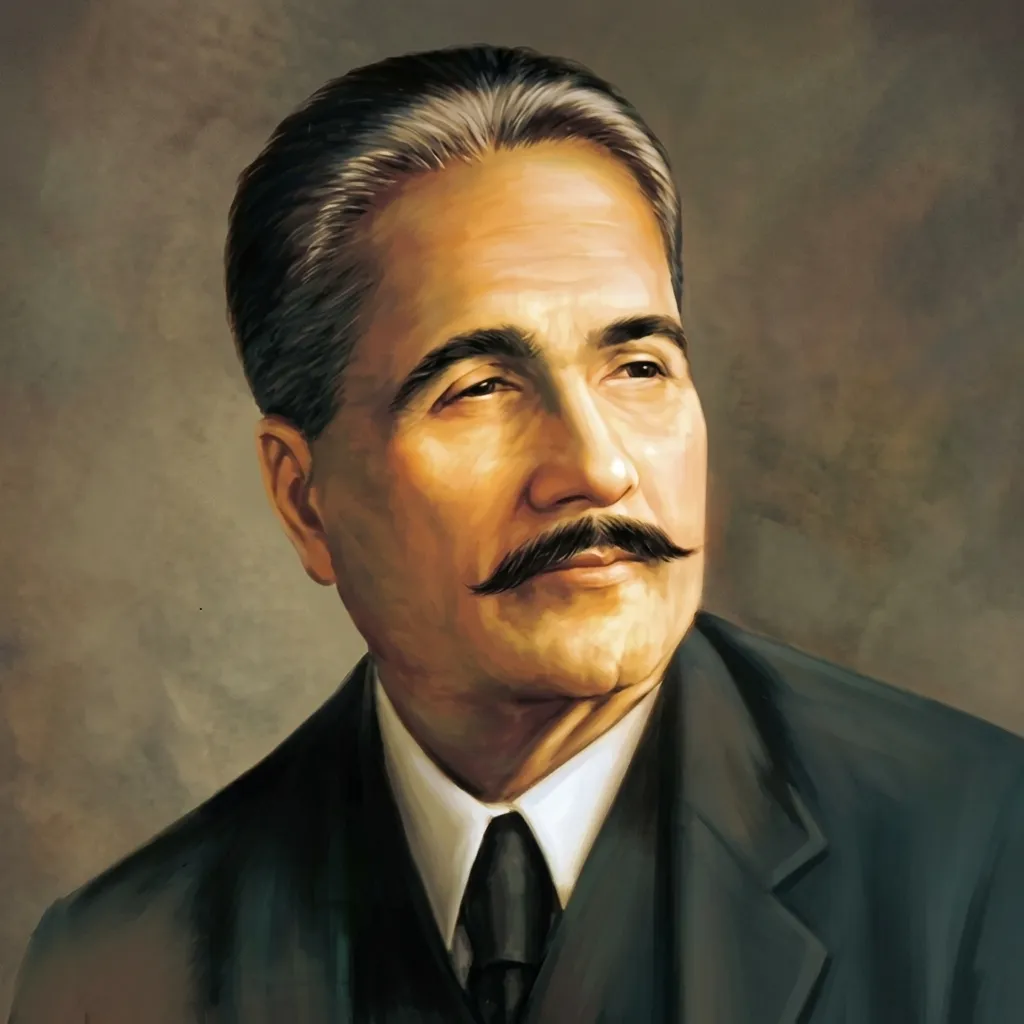
Allama Iqbal stands as an immortal literary and philosophical genius whose profound intellect and visionary words permanently shaped the cultural and political destiny of South Asia. Born on November 9, 1877, this legendary poet, philosopher, and political thinker ignited a spiritual awakening among the Muslim youth of his era. When examining the intellectual legacy of Allama Iqbal, scholars uncover a timeless philosophy centered on self-realization, human dignity, and active self-development. Across academic circles and literary societies alike, the stirring verses composed by Allama Iqbal instilled an unshakeable sense of pride, identity, and divine purpose in millions.
How Allama Iqbal Revolutionized Philosophical Thought and National Identity
The core message championed by Allama Iqbal focused heavily on awakening the inner potential of individuals through artistic and spiritual reflection. By penning powerful and evocative verses in both Urdu and Persian, Allama Iqbal communicated deep concepts of Islamic philosophy, unity, and cosmic love to the common masses. Through this revolutionary literary approach, Allama Iqbal provided the vital ideological foundation that eventually inspired the Pakistan Movement.
-
Poetic Awakening: The stirring lyrical masterpieces written by Allama Iqbal motivated young generations to break free from colonial apathy.
-
Philosophical Vision: Intellectual frameworks designed by Allama Iqbal emphasized personal empowerment, resilience, and spiritual sovereignty.
-
Statehood Conceptualization: Political insights articulated by Allama Iqbal first envisioned the creation of an independent Muslim state in South Asia.
-
Spiritual Legacy: The profound cultural impact left behind by Allama Iqbal earned him the revered title of the “Spiritual Father of Pakistan.”
Literary critics, historians, and students frequently study Allama Iqbal to understand the deep connection between artistic expression and sociopolitical change. Modern thinkers still look up to the philosophical works of Allama Iqbal when exploring human psychology, selfhood, and ethics. The passing of Allama Iqbal on April 21, 1938, concluded a monumental chapter in history, yet the visionary ideals of Allama Iqbal continue to resonate globally.
Ultimately, the enduring roadmap left behind by Allama Iqbal ensures that his message of self-realization, unity, and high aspiration will inspire humanity for generations to come.
Learn more about us