Beyond the Classroom: The Future of Learning
The future of learning beyond the classroom is rapidly redefining how we approach modern education for generations to come. For decades, learning has been closely associated with a physical space, a teacher at the front, students at their desks, and lessons delivered exclusively within fixed school hours. Today, however, the future of learning beyond the classroom proves that true educational growth is expanding far beyond these traditional boundaries. Technology, innovation, and changing learner needs are creating new, limitless possibilities. When we fully embrace the future of learning beyond the classroom, we create meaningful opportunities for students to learn anytime, anywhere, and in ways that prepare them for a rapidly changing world.
How the future of learning beyond the classroom Changes Education
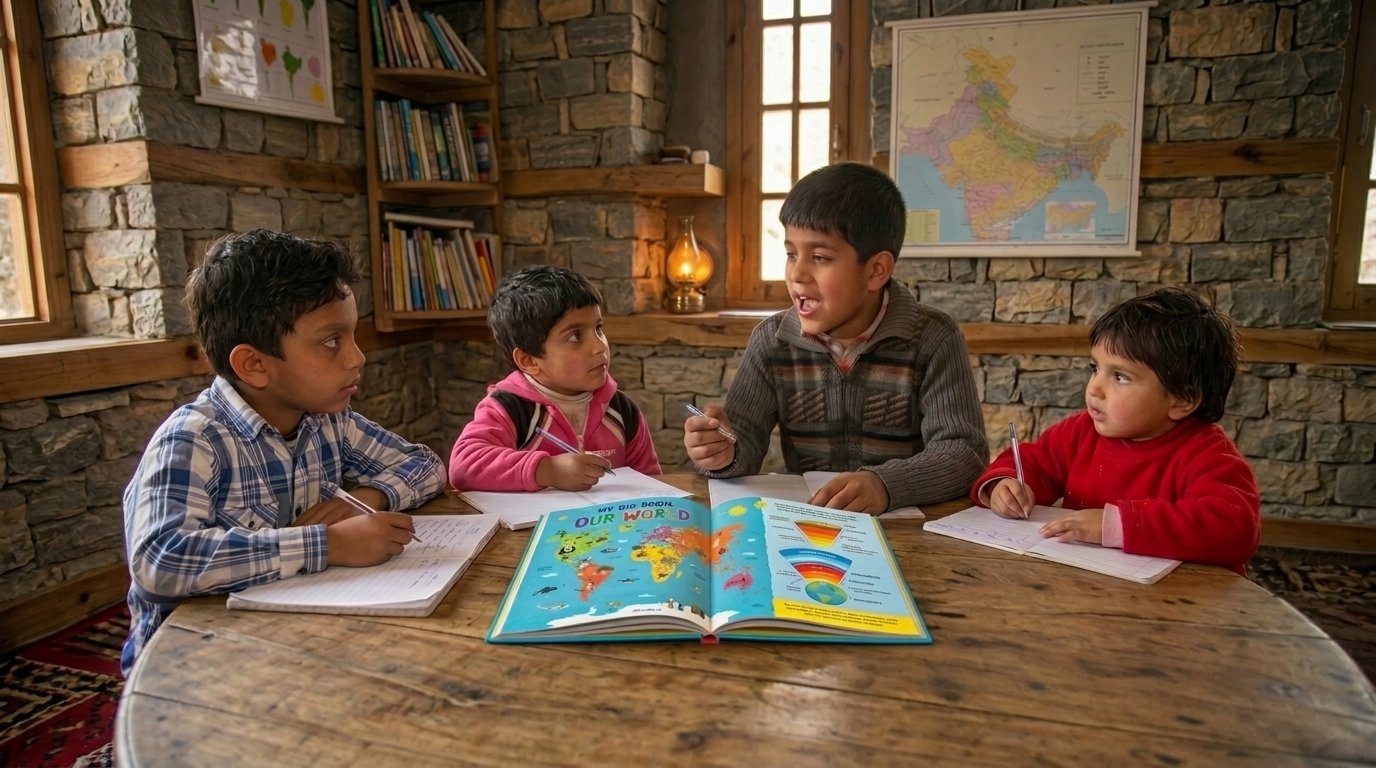
A traditional physical space will always remain important, but the future of learning beyond the classroom ensures it is no longer the only place where true academic growth happens. Students can now explore bold ideas through online lessons, interactive activities, multimedia videos, digital libraries, and virtual discussions.
-
Active Engagement: The future of learning beyond the classroom shifts students away from passive listening to actively solving real-life problems.
-
Limitless Boundaries: Embracing the future of learning beyond the classroom means education can seamlessly happen at home, during a journey, or within the local community.
-
Individualized Pacing: Digital environments within the future of learning beyond the classroom allow students to review lessons and practice skills at their own unique pace.
The core aim of the future of learning beyond the classroom is to help students actively engage with knowledge rather than simply memorizing facts. Instead of only listening, students are constantly encouraged to ask questions, collaborate with peers, and learn from instant feedback. Every single learner is unique, possessing different interests, strengths, and abilities. The future of learning beyond the classroom perfectly recognizes these differences by providing personalized support matched to clear educational goals.
Technology acts as a powerful catalyst in this educational shift, transforming the way students access information. However, technology alone cannot guarantee meaningful results without purposeful application. By utilizing interactive platforms and virtual assessments, the future of learning beyond the classroom develops critical thinking, creativity, adaptability, and digital literacy.
As education evolves, the role of the teacher becomes even more crucial. Teachers are no longer just information providers; they are mentors, facilitators, and motivators. The future of learning beyond the classroom relies heavily on the encouragement, understanding, and guidance of a human teacher to help students make sense of digital information. Learning is a lifelong journey, and people will need to continue adapting their skills long after graduation.
At our Online School System, we believe that education must prepare learners for life, not just the next examination. By combining strong academic instruction with dynamic technology and collaboration, we create experiences that go far beyond standard walls. The future of learning beyond the classroom guarantees that education remains flexible, connected, personalized, and lifelong for every single student.
Beyond traditional walls lies a world of possibilities, giving every learner the opportunity to explore, adapt, and succeed.
The future of learning beyond the classroom transforms traditional education by blending flexible online tools, active engagement, and real-world experiences to foster continuous, lifelong growth. By breaking past rigid physical walls and fixed school hours, students are empowered to explore concepts anytime, anywhere through dynamic, personalized pathways. Technology, innovation, and modern digital platforms act as powerful catalysts, allowing children to review lessons, access diverse resources, and learn at their own comfortable pace.
However, digital tools alone are never enough; the true heart of this modern educational evolution relies on thoughtful guidance from teachers who act as mentors, facilitators, and motivators. By combining smart technology with human empathy, students develop essential future-ready competencies like critical thinking, creativity, collaboration, and adaptability. Ultimately, this modern approach ensures that education remains connected, deeply personalized, and centered entirely around unlocking the unique potential of every individual learner for life.
—
Learn more about us

You may also like